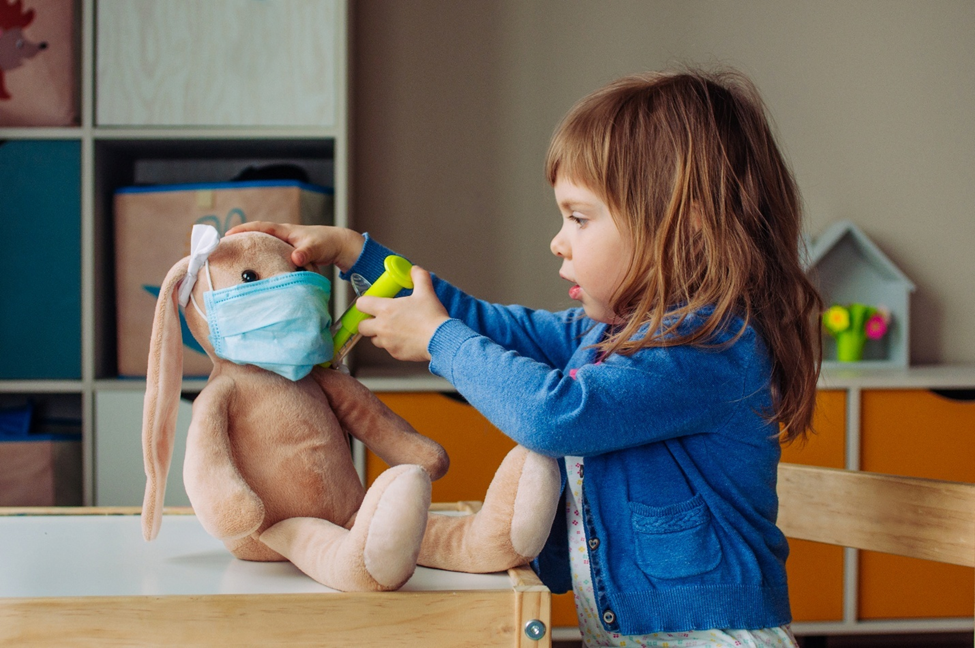
Many adults experience at least some level of anxiety when preparing for a needle procedure — but for young patients, it can be especially traumatic. Often, children’s apprehension originates from a fear of bodily harm, their lack of control over the situation, and their lack of experience undergoing venipuncture.
Pediatric needle phobia and anxiety manifests as symptoms similar to a panic attack. A child may exhibit shortness of breath, trembling, increased heart rate, nausea, and even become hysterical. This turns what should be a routine procedure into a distressing experience. And if you and your team don’t take action to mitigate this fear, your patient could develop a life-long phobia.
Luckily, by developing a poke plan, you can reduce patients’ fears and help them become more accustomed to needle-based procedures.
Here’s what you need to know to get started: