



 Most of us are accustomed to seeing customer experience surveys from businesses like cable companies, retailers and automotive service centers. Days after you’ve purchased a product or paid for a service, you’ve probably received an email or automated phone call asking you to rank your satisfaction and share your comments. For many years, businesses have relied on customer feedback to measure success and improve processes. Today, however, you’ll begin seeing surveys from an unlikely source: your hospital.

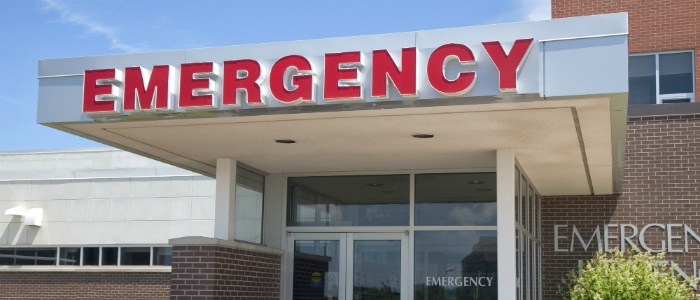 In the fast-paced environment of the emergency room, every second counts. From sprained ankles to minor lacerations to heart attacks, ER nurses are on the front line, and under pressure to provide care that is appropriate, efficient and compassionate.
 “Is this going to hurt?” Nurses have been asked the question time and time again. When it comes to easing patient anxiety, the responsibility usually falls on nursing professionals.
